
For a lot of businesses the website has a fairly clear job. It explains what the company does, builds enough trust for somebody to get in touch, and makes that easy to do. That can be plenty. The question changes when the customer journey carries on online after that first action, because somebody books, pays, joins, creates an account or needs to come back later and manage something. At that point the website starts to become part of how the business operates, and it’s worth being deliberate about how much of that should be handled digitally and by which tools.
That doesn’t mean a large custom platform is the answer. Often the sensible outcome is to keep the specialist tools that already work, connect them properly, and build something bespoke only where there’s a genuine reason to.
Follow one customer journey all the way through
Pick one action that matters to the business, such as a booking, a membership sign-up, an order or a service request, and trace what happens once the customer has decided to go ahead. Where does the information go? Does payment happen in the same step or somewhere else? Does somebody on the team copy the details into another system, and does the customer receive everything they need automatically or does someone have to step in?
You don’t need a formal process map. Writing down what the customer does, what happens next, what staff do and which system handles each step is usually enough to show where the awkward parts are. Some of them will be unavoidable. Others tend to have built up gradually, with one tool added for bookings, another for payments, another for customer records and a spreadsheet covering whatever was left over.
Keep what already does the job
There’s no prize for making everything custom. If a specialist service solves a problem reliably, replacing it adds cost and complexity without improving anything for the customer or the business. Payments are the obvious case, since Stripe already handles work that hardly any business has a reason to recreate, and the same goes for calendars, email platforms, CRMs, accounting software and plenty of industry-specific products.
What matters is whether the tool fits properly into the wider setup. We regularly integrate external services into websites and applications where they’re the right choice, and the work then is making sure they pass the right information to the parts around them and support the process the client actually runs.
Connect them when the gaps are the problem
A business can own all the software it needs and still create a lot of unnecessary work. A booking platform might take bookings perfectly well while somebody retypes the details elsewhere afterwards. Payment information might sit apart from the customer record, or a form might collect useful detail that gets transferred into a CRM by hand. None of those tools is necessarily at fault, and getting them to share information properly can be worth far more than replacing any of them, because staff spend less time moving data around and customers run into fewer gaps in the process.
It’s worth looking at this before deciding a new platform is needed. The existing technology is often capable enough and has simply never been joined up around the way the business works.
Build when the software starts dictating the process
Custom development becomes relevant when the business keeps having to change how it works to suit the software available. It tends to show up in small ways first. Staff keep extra spreadsheets because the system can’t hold what they need, customers have to email to finish a step that can’t be done online, or different types of user need different access and the software treats everybody the same. Sometimes several tools are held together with manual effort because none of them covers the whole process.
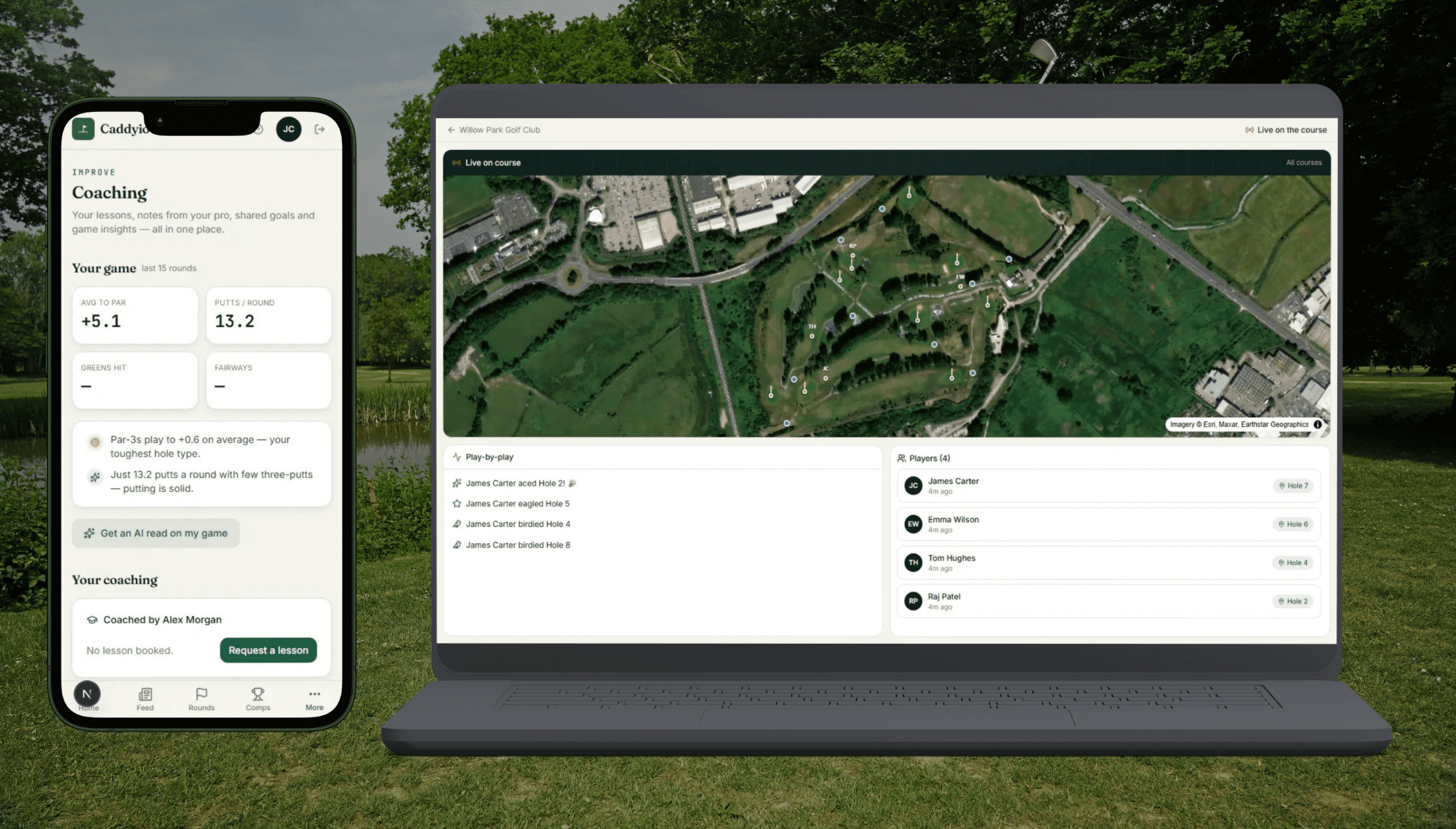
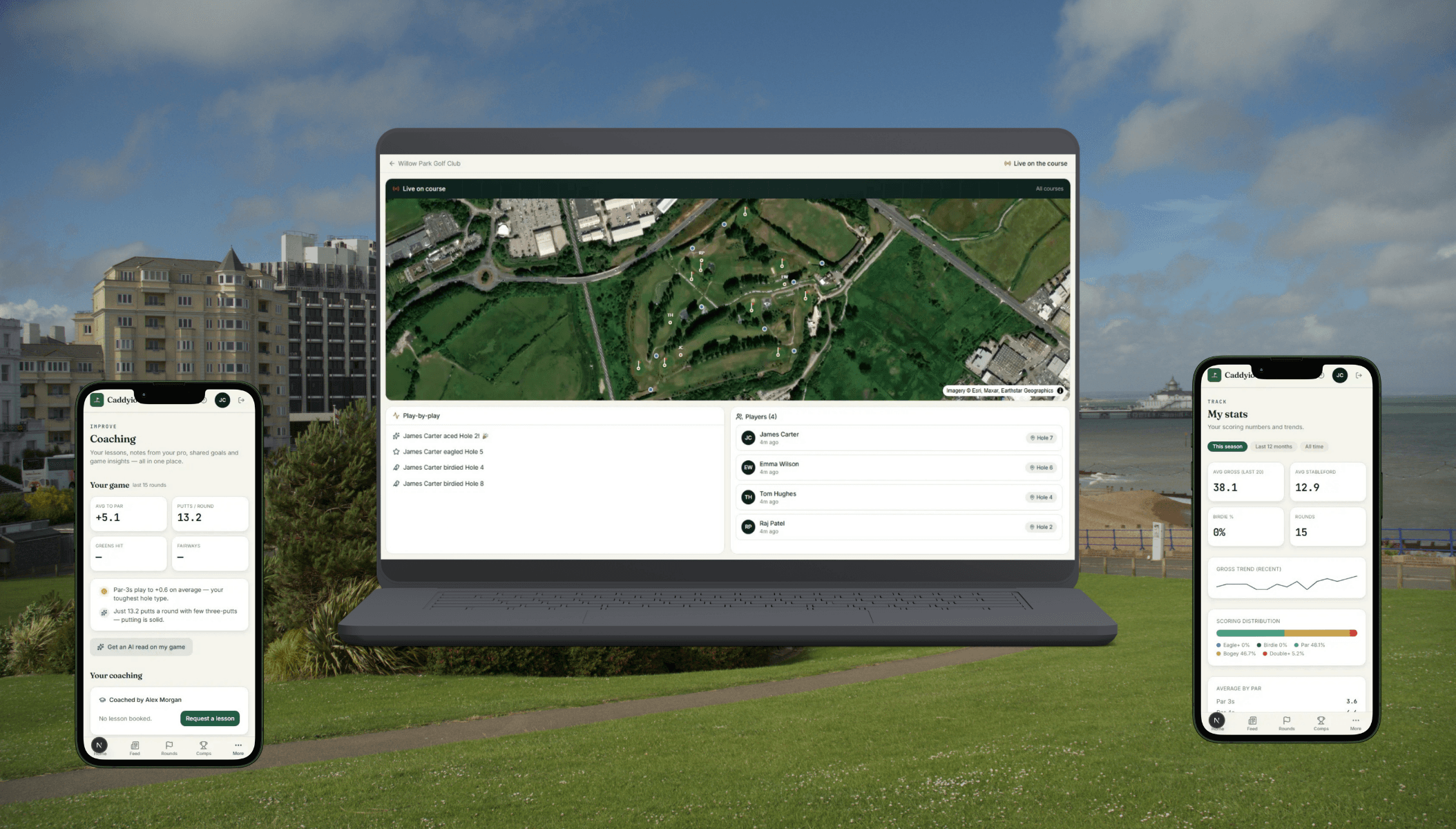
When that’s happening, adding another product may not be the right fix. A custom web app, customer portal or staff-facing system can be built around the real workflow instead of asking the business to adopt somebody else’s. It can still use established services underneath, so a bespoke platform might take payments through Stripe and connect to an existing CRM while giving customers and staff a tailored experience around them. The decision comes down to which parts genuinely need to be bespoke and which are better left to established tools.
What happens after the first transaction
The later stages of EDP’s FUTURE Loop are relevant here. A public website does much of its work around Find, Understand and Trust, and once somebody has chosen the business, the digital side can start supporting Use and Return as well. That might be a sensible way to manage bookings, view information, access benefits, track progress or come back without starting from scratch.
Not every business needs this, and for some an enquiry followed by good human service is exactly the right model. It becomes worth considering when customers already have an ongoing relationship with the business and the digital side hasn’t kept pace, which is often the point where a simple website starts to feel limited. Businesses change over time too, so whatever you choose should leave room to evolve without being rebuilt each time.
Deciding what comes next
Once you’ve mapped a journey, look at each step and decide whether to keep it, connect it or build it. Keep the tool if it already does the job properly. Connect it if it works but the process around it creates manual work or duplicated information. Build when there’s a requirement that standard software can’t support without pushing customers or staff into something awkward. That’s a far better starting point than deciding in advance that everything should live inside one custom system.
At EDP we look at the whole process first and then work out where existing services can stay, where an integration solves the problem and where bespoke development would genuinely make things easier. The website usually remains the public face of the business, and once customers and staff start using it as part of an ongoing process, it makes sense to think about what sits behind it as well.
Frequently asked questions
It becomes worth considering when customers need to continue doing things online after making their initial decision, such as booking, paying, joining, managing an account or returning to use a service.
Want a hand with this?
We help businesses across Eastbourne and East Sussex turn this kind of thinking into real results.
Start a conversation